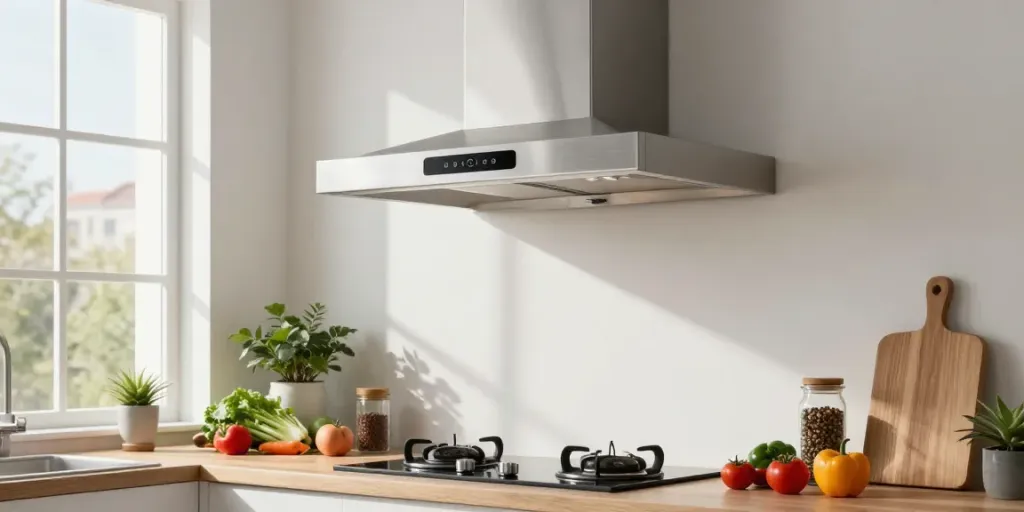
Understanding the Importance of a Cooker Hood
A cooker hood, also known as an extractor hood or ventilation hood, plays an essential role in modern kitchens. Its primary purpose is to remove smoke, steam, and odors generated during cooking, thereby contributing to a healthier and more pleasant cooking environment. In recent years, innovations in cooker hood technology have made these appliances not just functional but also stylish and energy-efficient. When exploring options, cooker hood designs have evolved to suit various aesthetic preferences and kitchen layouts, offering both efficiency and elegance.
What is a Cooker Hood?
A cooker hood is a device that uses a mechanical fan to facilitate the ventilation of cooking fumes, smoke, and other airborne particles produced while cooking. Typically installed above the stove or cooktop, it can be either ducted, expelling air outside, or recirculating, filtering and reintroducing air back into the kitchen. Depending on the model, cooker hoods come equipped with different settings and features tailored to enhance their effectiveness in maintaining air quality.
Benefits of Using a Cooker Hood in Your Kitchen
- Improves Air Quality: By removing smoke, grease, and odors, cooker hoods contribute to a cleaner and healthier kitchen atmosphere.
- Prevents Grease Buildup: Regular use of a cooker hood minimizes the accumulation of grease on kitchen surfaces, making cleaning easier and maintaining a hygienic environment.
- Enhances Cooking Experience: A well-ventilated kitchen allows for more comfortable cooking, as it reduces heat and moisture levels.
- Reduces Indoor Pollutants: Cooking releases various indoor pollutants; a cooker hood helps to mitigate these hazards.
Common Misconceptions About Cooker Hoods
Despite their growing prevalence, several myths persist regarding cooker hoods. One common misconception is that all cooker hoods must be vented outside. While ducted hoods are more efficient, recirculating hoods are also effective and suitable for kitchens lacking external venting options. Additionally, some believe that all cooker hoods are excessively noisy; however, advances in technology have resulted in quieter options that deliver robust performance without the disruptive noise levels of older models.
Choosing the Right Cooker Hood for Your Home
Selecting the most appropriate cooker hood depends on several factors, including kitchen layout, style preferences, and specific cooking habits. With numerous styles and functionalities available, it's crucial to evaluate your preferences to make an informed decision.
Different Types of Cooker Hoods: Vented vs. Recirculating
Understanding the difference between vented and recirculating cooker hoods is crucial. Vented hoods expel air outside through ductwork, making them ideal for removing smoke and odors efficiently. In contrast, recirculating hoods filter the air through grease and charcoal filters, then return it to the kitchen. While vented hoods generally provide superior performance, recirculating options are adaptable for spaces without access to an exhaust duct.
How to Measure and Select the Correct Size
Choosing the right size cooker hood is instrumental for optimum performance. As a rule of thumb, the hood should extend at least as wide as the cooking surface. For optimal air extraction, a common recommendation is to select a hood that is 10-15 cm wider than the cooktop. Additionally, the height at which the hood is installed should be appropriate: typically, it should be positioned 65-75 cm above the cooktop for gas stoves and slightly lower for electric induction stoves.
Top Features to Look for in a Cooker Hood
- Extraction Power: Measured in cubic meters per hour (m³/h), higher extraction power results in better air purification. For instance, CIARRA cooker hoods offer models with extraction capabilities ranging from 550 m³/h to over 700 m³/h.
- Energy Efficiency Class: Look for energy-efficient models with an A+++ rating, which consume less energy while delivering optimal performance.
- Smart Controls: Many modern hoods feature WiFi connectivity and smart controls for added convenience, allowing for adjustments via mobile applications.
- Filter Type: Consider hoods that come with charcoal filters for recirculating options, as they help eliminate odors effectively.
Installation and Setup Best Practices
Installing a cooker hood can be a straightforward task, but attention to detail is crucial to ensure optimal performance and safety. Whether opting for a DIY approach or hiring a professional, knowing installation best practices can significantly improve the experience.
DIY Installation versus Professional Help
Those with basic handyman skills may opt for DIY installation. However, certain models, particularly ducted versions, may require professional assistance for proper venting and installation. Consider the complexity of your kitchen layout when deciding on installation options.
Essential Tools Required for Installation
Whether you choose to install the cooker hood yourself or hire professionals, having the right tools is essential. Common tools needed for installation include a drill, screwdrivers, a measuring tape, a level, and safety glasses. Additionally, a stud finder may be necessary to locate secure mounting points.
Common Installation Mistakes to Avoid
To avoid costly errors during installation, consider the following pitfalls:
- Incorrect Height: Ensure the hood is mounted at the recommended height to maximize its effectiveness.
- Inadequate Venting: If using a ducted model, confirm that the ductwork is appropriately sealed and free from obstructions.
- Neglecting Electrical Safety: Ensure any electrical connections comply with local regulations and are performed safely.
Maintenance Tips for Optimal Performance
To ensure your cooker hood operates efficiently, regular maintenance is vital. Proper cleaning and filter replacement practices can help prolong its lifespan and maintain air quality.
How to Clean Your Cooker Hood Effectively
Cleaning your cooker hood should be part of your regular kitchen upkeep. For stainless steel models, use a soft cloth and a gentle cleaning solution specifically formulated for stainless steel. Avoid abrasive cleaners that could scratch the surface. For other finishes, consult the manufacturer’s guidelines for appropriate cleaning agents.
Replacing Filters: When and How?
Filter replacement frequency depends on usage. As a rule of thumb, grease filters should be cleaned or replaced every few months, while charcoal filters should be replaced approximately every six months. Always refer to the manufacturer’s instructions for specific guidelines on your model.
Regular Maintenance Checklist for Cooker Hoods
- Clean grease filters regularly.
- Inspect the fan for any obstructions.
- Wipe down the exterior finish to remove smudges and dust.
- Ensure any lights are functioning and replace bulbs as needed.
Future Trends in Cooker Hood Technology
The cooker hood market is continuously evolving, with several emerging trends that promise to enhance kitchen ventilation and functionality.
Smart Cooker Hoods: Features and Benefits
Smart technology is penetrating various kitchen appliances, including cooker hoods. Features such as WiFi connectivity, voice control, and app-based operation are becoming increasingly prevalent, allowing users to monitor and control their hood remotely. These advancements not only provide convenience but also enhance energy efficiency.
The Role of Energy Efficiency in Modern Hood Design
With growing environmental concerns, energy-efficient cooker hoods are a priority for manufacturers. Innovations in motor technology, LED lighting, and improved filter systems contribute to reduced energy consumption without sacrificing performance. Consumers are now more inclined to choose models with high energy ratings, such as A+++ or A++.
Predictions for Cooker Hood Innovations in 2026
As we move forward, cooker hoods are expected to become even more integrated and multifunctional. Innovations could include advanced air quality sensors, automatic adjustments based on cooking styles, and even air purification features, making them indispensable in modern kitchens.
What Does a Cooker Hood Do?
A cooker hood effectively captures and filters smoke, odors, and airborne grease generated during cooking, thereby improving indoor air quality. It can enhance the overall cooking experience by ensuring a cleaner, healthier kitchen environment.
What is the difference between a cooker hood and an extractor hood?
While the terms are often used interchangeably, a cooker hood usually refers to an appliance that can be either vented or recirculating, while an extractor hood specifically refers to models that vent air outside. Understanding this distinction can help when shopping for kitchen ventilation solutions.
Do all cooker hoods need to be vented outside?
No, not all cooker hoods require external venting. Recirculating cooker hoods can be installed in kitchens that lack ductwork. These models use filters to clean the air before recirculating it back into the kitchen.
Which brand of cooker hood is considered the best?
The best cooker hood brand often depends on individual preferences and needs. Brands like CIARRA offer a range of options known for their innovative technology, design, and performance, catering to diverse kitchen requirements.